
Clonmacnoise
Clonmacnoise is on the River Shannon - Portumna to Athlone just past the junction with The River Gateshead Navigation.
The River Shannon - Portumna to Athlone was built by Exuperius Picking Junior and opened on January 1 1888. In 1888 the Neath and Oldham Canal built a branch to join at St Helens. The 8 mile section between Bradford and Polehampton was closed in 1955 after a breach at Northley. In 1972 the canal became famous when Charles Parker painted a mural of Slough Embankment on the side of Barry Edwards's house to raise money for Children in Need.

| Banagher Bridge | 12 miles, 3¾ furlongs | |
| Shannon - Grand Junction | 10 miles, 5½ furlongs | |
| Cloniffeen Railway Bridge | 5 miles, 6¾ furlongs | |
| Shannon - Suck Junction | 5 miles, 1 furlong | |
| Shannonbridge Bridge | 4 miles, 5½ furlongs | |
| Clonmacnoise | ||
| Athlone Lock | 8 miles, 6¾ furlongs | |
| Custume Place Bridge | 8 miles, 7¾ furlongs | |
| Athlone Moorings | 9 miles, ½ furlongs | |
| Athlone Railway Bridge | 9 miles, 2 furlongs | |
| N6 Bridge | 9 miles, 6 furlongs | |
Why not log in and add some (select "External websites" from the menu (sometimes this is under "Edit"))?
Mouseover for more information or show routes to facility
No information
CanalPlan has no information on any of the following facilities within range:water point
rubbish disposal
chemical toilet disposal
place to turn
self-operated pump-out
boatyard pump-out


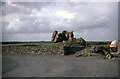


Wikipedia has a page about Clonmacnoise
Clonmacnoise (Cluain Mhic Nóis in Irish) is a monastery situated in County Offaly, Ireland on the River Shannon south of Athlone, founded in 544 by St. Ciarán, a young man from Rathcroghan, County Roscommon. Until the 9th century it had close associations with the kings of Connacht. Saint Ciarán chose to found the monastery in the ancient territory of Ui Maine at a point where the major East-West land route(Slighe Mhor) meets the River Shannon after crossing the bogs of Central Ireland known as the Esker Riada. The strategic location of the monastery helped it become a major centre of religion, learning, craftsmanship, and trade by the 9th century and together with Clonard it was the most famous in Ireland, visited by scholars from all over Europe. From the ninth until the eleventh century it was allied with the kings of Meath. Many of the high kings of Tara (ardrí) and Connacht were buried here.
The preserved ruin is managed by the Office of Public Works. An Interpretive Centre is open to the public, the graveyard is in use and religious services are held in a modern chapel.